
When God Moves the Unmovable: The Easter Message of Hope
When God Moves the Unmovable: The Easter Message of Hope
Easter Sunday brings us face to face with one of life’s most profound truths: what we consider final and unchangeable, God does not. Through the resurrection of Jesus Christ, we discover that our Creator specializes in moving the unmovable and breaking open what appears permanently sealed.
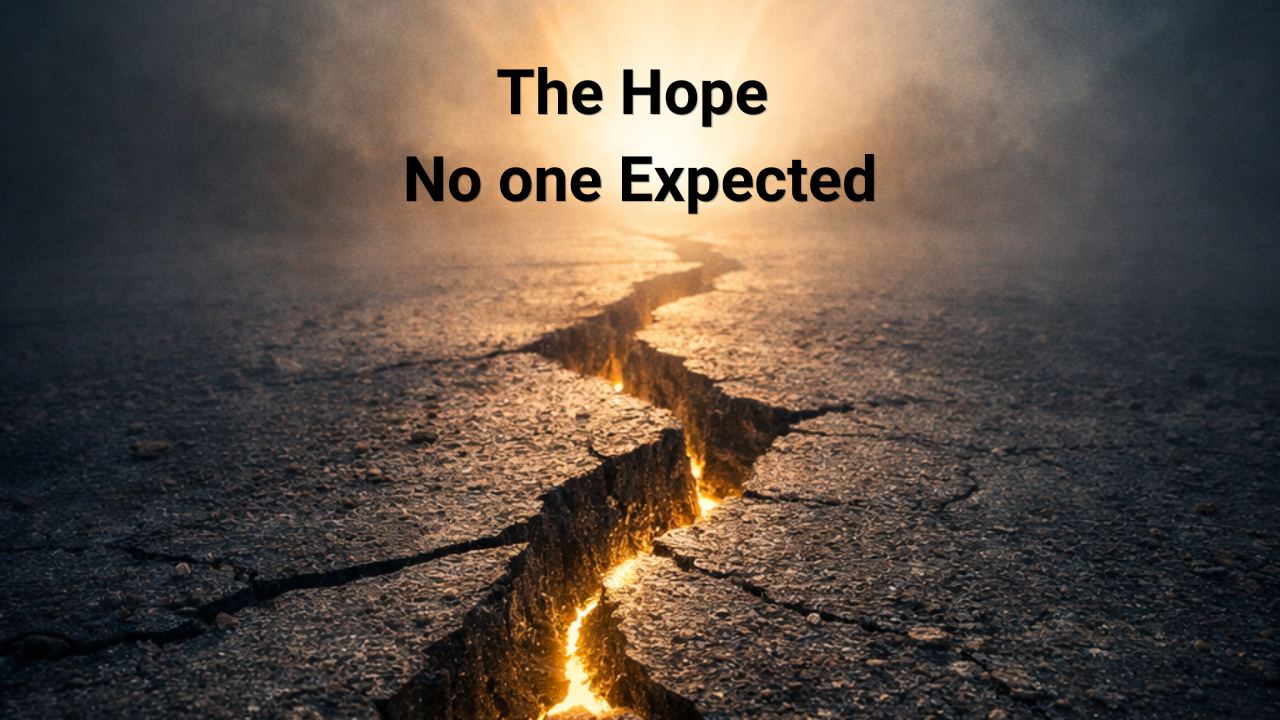
Have you ever experienced an earthquake? That sudden, disorienting moment when something you believed was solid and permanent suddenly shifts beneath you? Earthquakes remind us that things we assume are unmovable actually aren’t as fixed as we think.
This same principle applies to our spiritual lives. We all carry situations we’ve labeled as permanent – unchangeable circumstances we’ve simply accepted as “just the way things are.” Maybe it’s a character flaw, an addiction, a broken relationship, or a deep regret. We’ve stopped praying for breakthrough and moved into what we might call “management mode” – just trying to survive each day rather than believing God can transform our situation.
Why Did Matthew Include Two Earthquakes in His Gospel?
Matthew, the former tax collector turned disciple, understood permanent labels better than most. Before following Jesus, he was despised as a traitor – a Jewish man collecting taxes for Rome. His reputation seemed set in stone, his story apparently final.
Yet Matthew’s Gospel uniquely mentions two earthquakes that no other Gospel records. The first occurred when Jesus died: “At that moment the curtain of the temple was torn in two, from top to bottom. The earth shook, and the rocks were split.” (Matthew 27:51). The second happened at the resurrection: “And suddenly there was a great earthquake, for an angel of the Lord, descending from heaven, came and rolled back the stone and sat on it.” (Matthew 28:2).
The Difference Between Destruction and Breakthrough
Both earthquakes might have felt the same to those experiencing them, but they represented completely different realities. The first seemed like the end of all hope – the Messiah was dead, dreams were crushed, and death appeared to have won. The second revealed that what looked like falling apart was actually God breaking things open for something new.
What Does the Empty Tomb Really Tell Us?
Here’s something remarkable: the stone wasn’t rolled away to let Jesus out. Jesus had already risen. The stone was moved to let us see in – to witness that death had not won, that the story wasn’t over.
When the women went to the tomb that Sunday morning, they weren’t expecting resurrection. They had accepted that the situation was final and were simply looking for a place to mourn. But God disrupted their expectations, just as He wants to disrupt ours today.
The Power of “Not Final”
The resurrection doesn’t mean every prayer gets answered with “yes” or that life becomes easy. Pain is still real, and healing doesn’t always happen on our timeline. But Easter declares that nothing – absolutely nothing – in your life is beyond God’s reach.
The same God who shook the earth to reveal the empty tomb is standing in your “final” situation right now, saying: “What you have called final is not final.”
How Do We Live as Resurrection People?
As followers of the risen Christ, we’re called to be people who refuse to accept that brokenness has the last word. When we look at:
– Wars and injustice in our world
– Broken relationships in our families
– Addictions or struggles in our personal lives
– Pain from our past that haunts our present
Instead of sighing and saying “that’s just how it is,” we declare: “God is still working. Final is not the final word.”
Moving from Management to Expectation
This doesn’t mean we ignore reality or pretend problems don’t exist. Rather, we shift from merely managing our difficulties to expecting God to move. We stop asking “How do I survive this?” and start asking “How might God transform this?”
Life Application
This week, identify that one thing in your life you’ve labeled as “finished,” “permanent,” or “unmovable.” Maybe it’s a relationship you’ve given up on, a personal struggle you’ve accepted as unchangeable, or a dream you’ve declared dead.
Now imagine crossing out that “final” label and remembering the ground shaking at both the cross and the tomb. Remember that the God who raised Jesus from the dead is the same God working in your situation today.
Questions for Reflection:
– What situation in my life have I accepted as permanent that God might want to transform?
– How has moving into “management mode” affected my prayer life and expectations?
– Where do I need to shift from asking “How do I survive this?” to “How might God move in this?”
– What would it look like to live with resurrection hope in my daily circumstances?
The Easter message is clear: when things appear to be falling apart, God may actually be breaking them open. What you call final, God does not call final. The same power that raised Christ from the dead is available to move the unmovable situations in your life today.
